
Exploring How Stock Market Analysis Works in Real Trading Scenarios
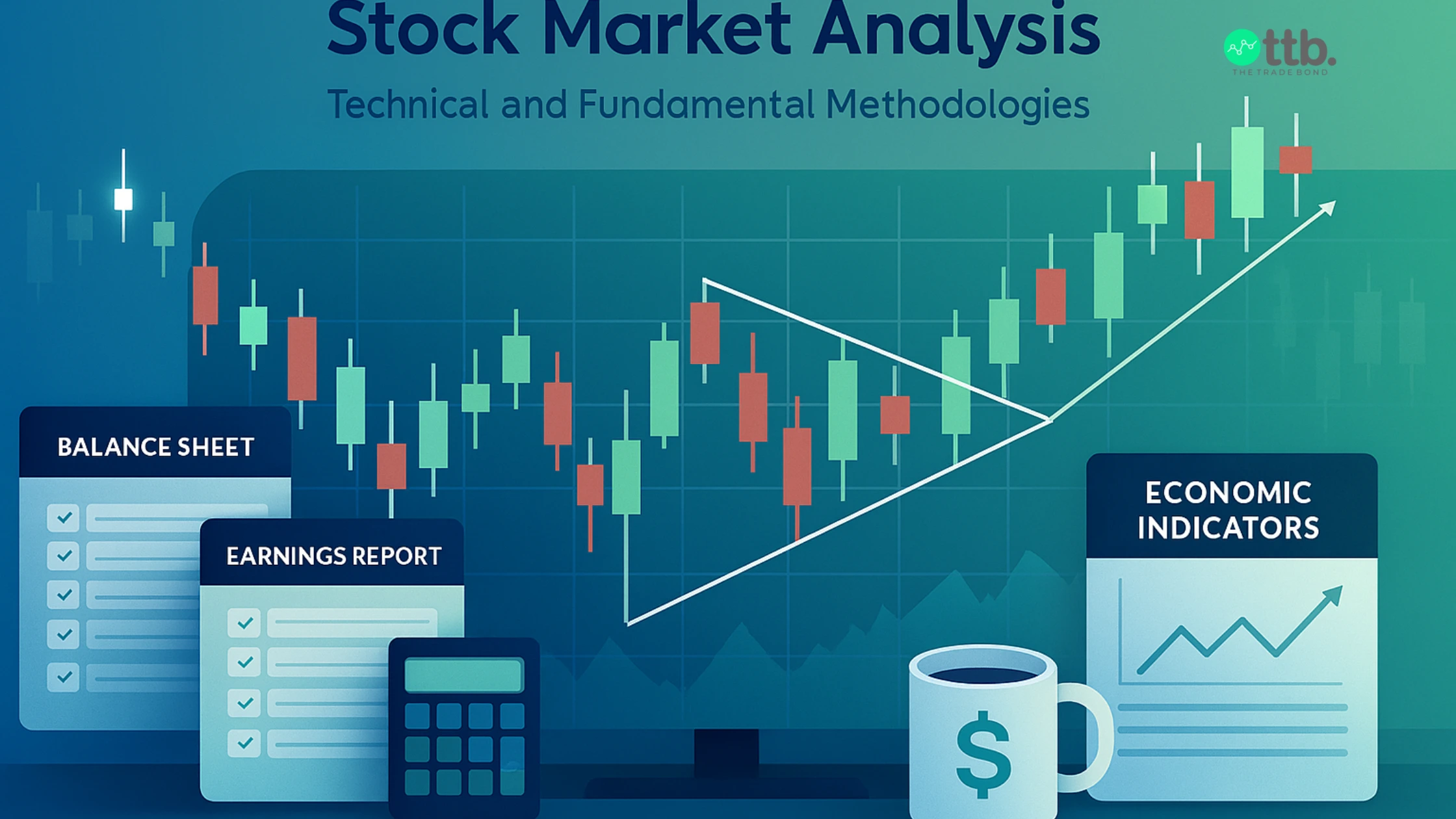
Stock market analysis with technical and fundamental tools
Stock Market Analysis help modern traders understand market behaviour, identify opportunities, and manage risk in the right way. Whether someone follows charts, earnings data, or broader economic events, a balanced approach allows traders to build clarity before entering the market. Today, traders look for simple and practical methods, and many prefer following stock market tips, stock analysis, and stock research shared by experienced market professionals, including a Sebi registered advisory or a qualified stock market advisor.
Why Stock Market Analysis Matters for Modern Traders
Modern trading moves quickly, and decisions depend on how well traders study both short-term price action and long-term business performance. Therefore, effective stock market analysis helps traders simplify the flow of information, focus on relevant patterns, and understand what exactly drives price movements.
Many new traders follow platforms that provide guides similar to stock market advisory, stock market investment tips, or daily stock market ideas to build a structured approach. These educational resources become helpful when traders want to stay aligned with current market sentiment and avoid decisions based purely on emotions.
Usage of Technical and Fundamental Insights With Stock Market Analysis
Technical and fundamental insights together give you a complete view of the current market.
Technical analysis focuses on price charts, support–resistance levels, volume behaviour, and market trends. With the help of technical analysis, you understand when to take action.
Fundamental analysis takes a deeper look at earnings strength, management decisions, debt levels, industry conditions, and future growth. It helps traders understand why price may move.
A balanced approach is used by SEBI registered investment advisor services and by research teams such as a trusted equity research analyst in India. This combination helps traders combine short-term actions with long-term expectations in a more structured way.
How to Use Charts and Price Patterns in Stock Market Analysis
Charts help traders identify the behaviour of buyers and sellers. Some common price patterns, such as trendlines, breakouts, or pullbacks, can indicate shifts in momentum. Coming to candlestick patterns, they show how sentiment changes within a single trading session.
When traders study these movements regularly, they start forming a disciplined method to support their decisions. Many follow chart-based features shared through stock market advisory services or detailed views offered by research-focused platforms to stay updated.
How Earnings Reports Impact Market Sentiment
Quarterly earnings reports show how a company is performing and what direction the company takes. Therefore, changes in revenue, cost pressure, margin improvement, and future outlook influence how investors respond.
Stocks often react strongly during earnings season because results give more expectations for the coming quarter.
Traders who follow structured stock research track earnings trends to understand whether market sentiment may turn positive or cautious. Also, this would be an important part of stock market analysis, especially for those looking at medium- to long-term opportunities.
Role of Global Events and Economic Data in Market Analysis
The role of global events and economic data highly influences markets. News related to RBI policy announcements, interest rate decisions, and international and domestic news has more impact on market behavior. Even experienced traders notice how global cues impact sectors like banking, IT, commodities, or export-related industries.
Tracking economic indicators helps traders adjust their strategies when needed based on market conditions. Also, many platforms that follow SEBI guidelines and offer stock market tips regularly highlight these shifts. So, traders can remain informed regularly.
Common Mistakes Traders Make While Analyzing the Market
Some traders depend too much on a single indicator or follow short-term noise without understanding broader trends. Others make decisions without reviewing earnings data or global factors.
Not following a structured method, avoiding proper stock analysis, or depending only on social sentiment leads to inconsistent choices and also leads to losses.
A steady, well-organized approach supported by reliable research sources helps traders stay more disciplined.
The Trade Bond's View
At The Trade Bond, Stock Market Analysis is seen as a continuous process where price behaviour, fundamental strength, and economic factors work together. Our experts always encourage traders to stay informed, understand market sentiment, and make decisions with clarity. With the help of structured insights, educational blogs, and a daily routine, traders can navigate the market in a disciplined manner and build confidence over time.
FAQ's
Why is Stock Market Analysis important for traders?
Stock Market Analysis guides traders in evaluating market direction, recognizing sentiment shifts, and identifying opportunities. It supports better decision-making by combining chart patterns, earnings reports, and economic updates.
How do earnings reports influence stock prices?
Earnings reports show the company’s revenue, expenses, and future outlook. Positive or negative results can shift market sentiment, leading to noticeable price movements immediately after the report.
What are the common mistakes in Stock Market Analysis?
Common mistakes include depending on a single indicator, ignoring global cues, skipping earnings reviews, and making decisions based only on short-term noise. A rightly structured approach helps avoid these errors.